Full-stack product design: From research and systems thinking to UI, motion, brand identity, and no-code builds.
Bad
Design
Kills.
Costa Mesa, CA
Local time here
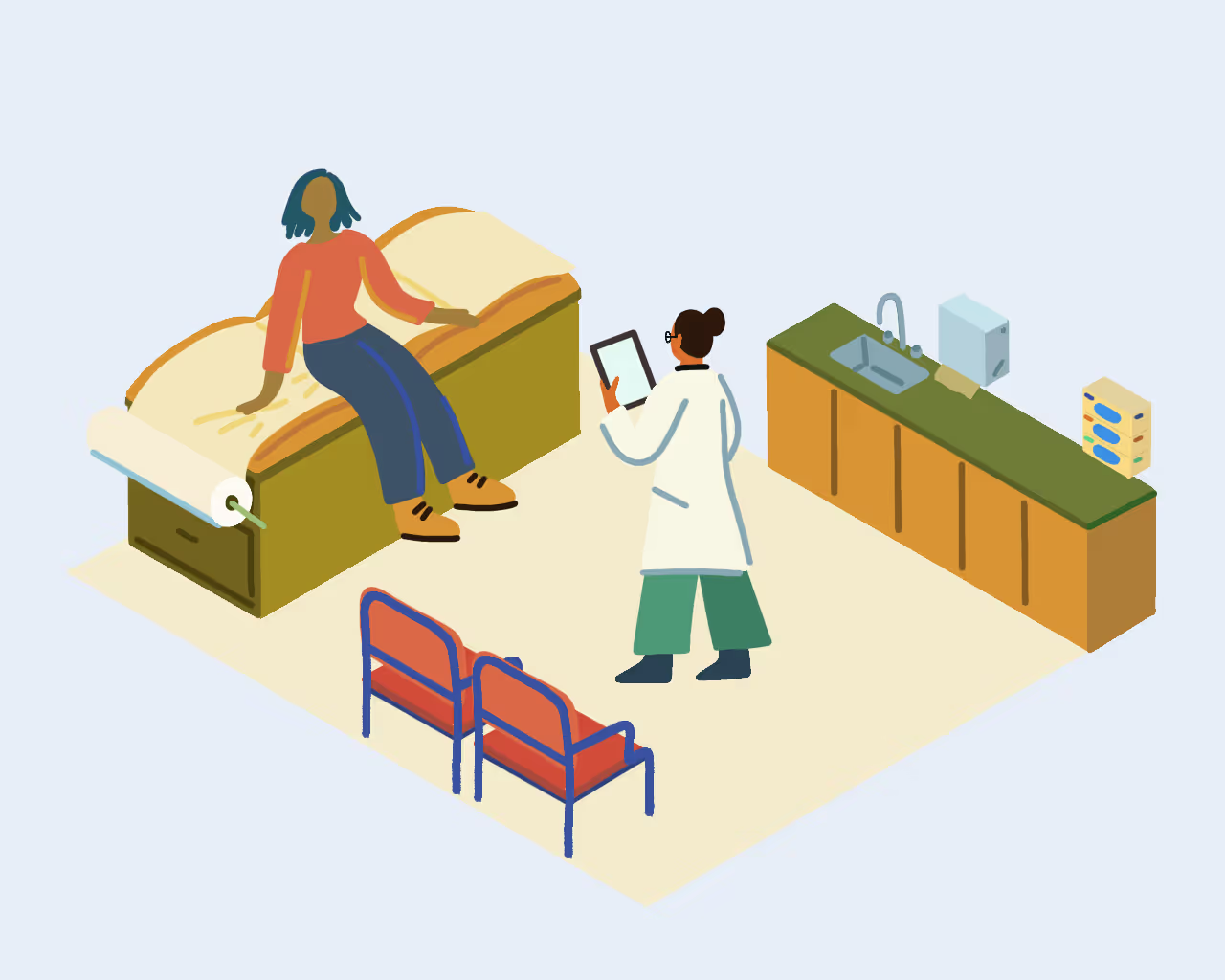
I specialize in regulated, high-stakes, data-dense environments: EHR and clinical software, public-sector HR systems, and energy & utilities platforms where bad design has real consequences.

About
Me
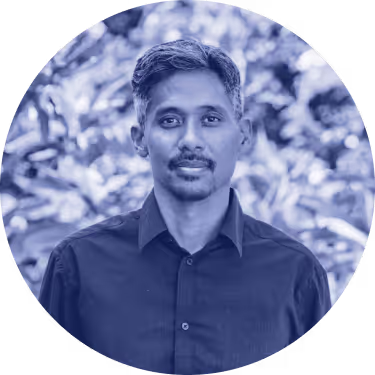
I've partnered directly with healthcare workers, government HR teams, and energy operators: people whose work demands software that actually holds up.
Those experiences taught me something early: the hardest design problems are not visual. They are structural. Complex workflows, role-based access, real-time data, high-pressure environments.
I chose full-time contracting specifically to bring a combined, interdisciplinary approach: research, UX, UI, systems, motion, and the web and brand work that extends the work beyond the product itself.

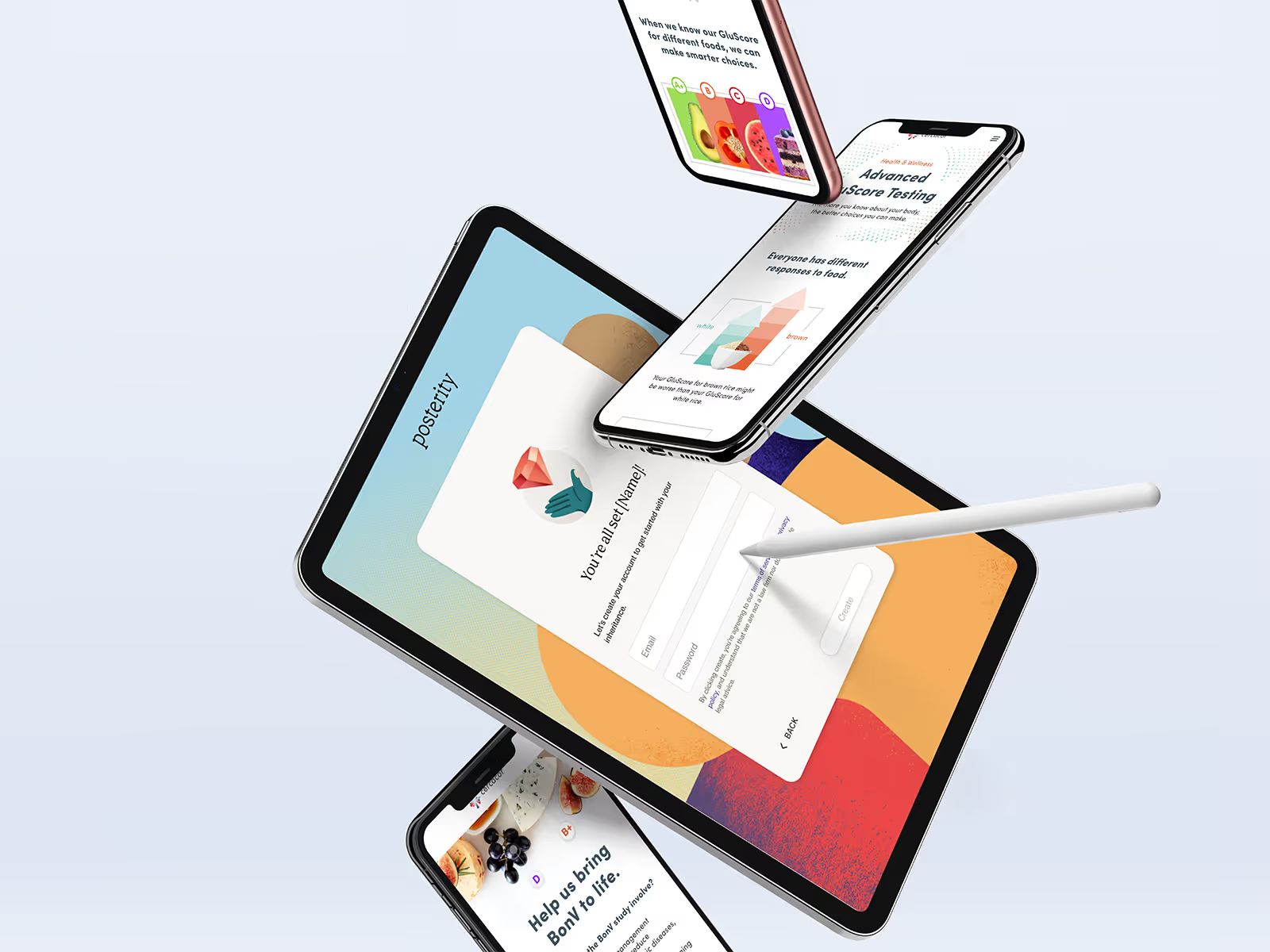
Select Work

My
Skillset
{01}
Research & Discovery
User Interviews
Contextual Inquiry
Competitive Analysis
UX/UI Audits
Usability Testing
Heuristic Evaluation
{02}
Information Architecture
Complex System Design
Navigation & Wayfinding
Data Hierarchy
Multi-User Workflows
Role-Based Structures
{03}
Interface & Interaction Design
UI Design
Responsive Web Design
Mobile App Design
Interaction Patterns
Motion Design
Prototyping
{04}
Design Systems
Component Libraries
Version Control
Design Tokens
Accessibility Standards (WCAG)
Documentation
{05}
Data Visualization
Dashboard Design
IoT Data Interfaces
Energy Analytics
Complex Data Simplification
Reporting Tools
{06}
Product Strategy
0→1 Product Design
B2B SaaS Modernization
Design Leadership
Cross-functional Collaboration
Stakeholder Alignment
{07}
Preferred Tools
Figma
After Effects + Lottie
Webflow
Rive
Notion
Design
Mantras
{01}
Accessibility is good design
Accessibility goes beyond WCAG compliance. If someone’s livelihood depends on software, it should be usable and well-designed, regardless of role, trade, or ability.
{02}
Design for the people behind the scenes
Users always come first, but great design factors in everyone who touches the work. When the design is lightweight, clear, and easy to build, it speeds delivery, reduces cost, and makes the product better for users too.
{03}
Observe the work firsthand
Interviews give perspective, but watching the work end-to-end shows where time, errors, and friction actually live.

My Story
I chose design in the era when your parents strongly discouraged you from choosing a creative path.
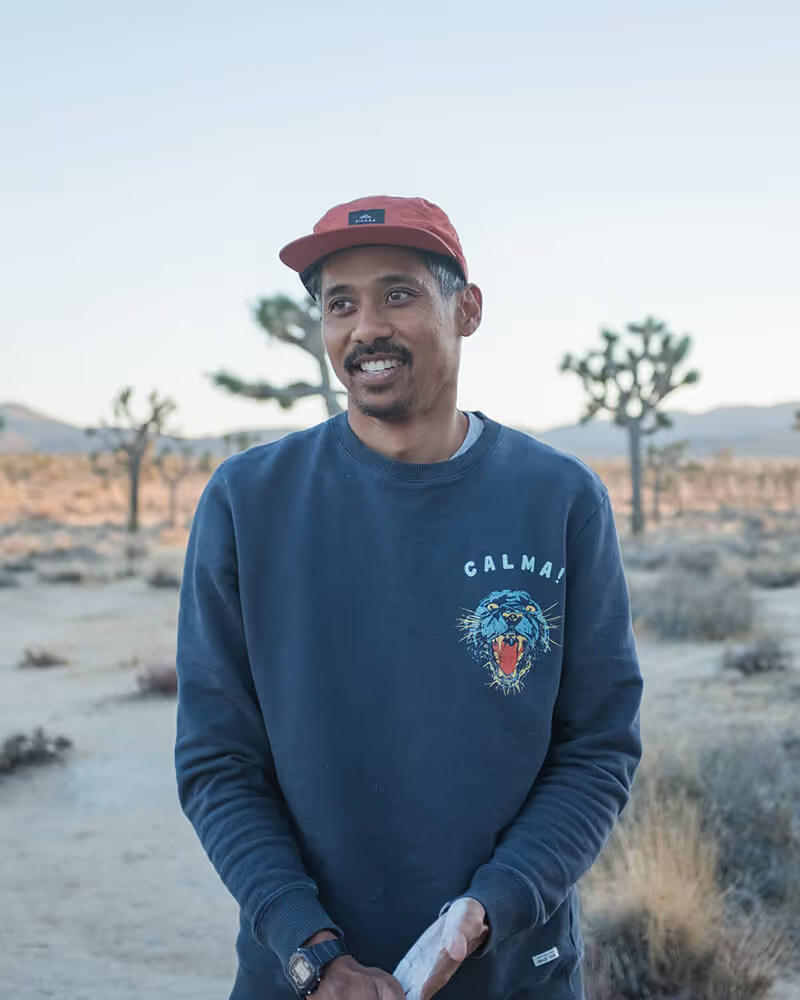
My path as a designer has taken many forms, leading me to develop an interdisciplinary approach that combines interaction design, user experience strategy, and user interface design.
Back in junior high, I obsessed over my PowerPoint presentations. I added sound effects, animated every slide element, and crammed them onto multiple floppy disks. Funnily enough, I now rely on these presentations for both myself and for client work. In the 2000s, I taught myself to build websites and spent hours with Rainmeter and Samurize, reskinning my desktop to visualize RAM, CPU, and disk usage. I wish someone had told me then that was UI design and that you could build a career out of it.
I officially discovered design as a career in 2004, starting in the only formal way available at the time: traditional design. I cut my teeth on print design, branding, layout, and production work, and even spent time as a sign designer. Those formative years gave me the foundation I still rely on as a designer today.
By 2010, my focus had shifted almost entirely to digital design. In 2013, I joined an electronic health records company, where I saw firsthand the consequences of poor usability. That experience shaped how I approach design. It is not just about aesthetics; it directly impacts efficiency, safety, and people’s lives.
Since then, I have worked across industries including Energy & Utilities, Healthcare Tech, Digital Estate Planning, and Public Sector HR. My focus has been on applying design thinking to solve complex problems and create usable, meaningful systems.
Today, I work as a contract designer for hire. I help organizations shape strategy, lead design teams, and deliver execution that brings ideas to life, whether that means bringing a product up to modern design standards, designing an interface, or creating systems that scale.
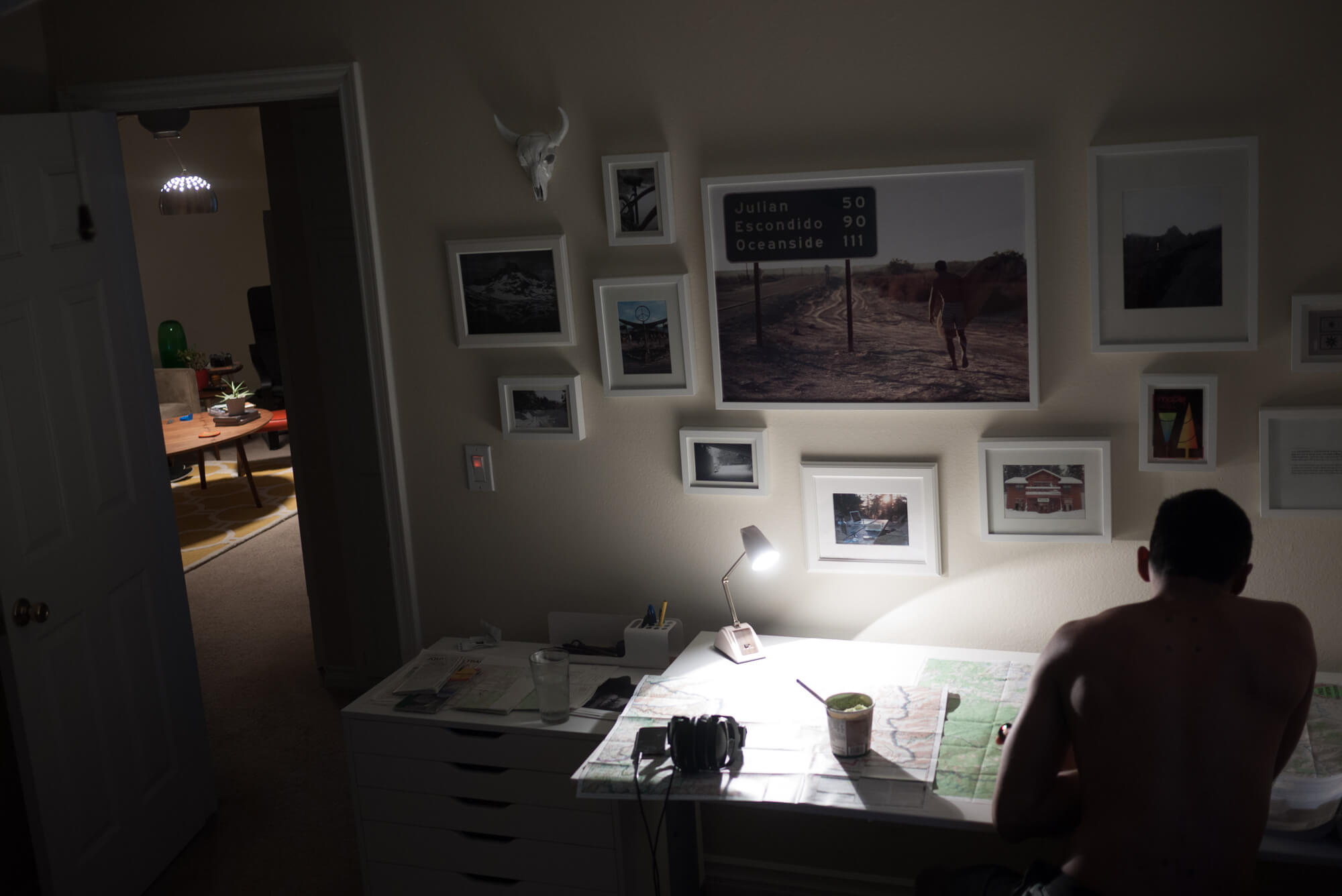
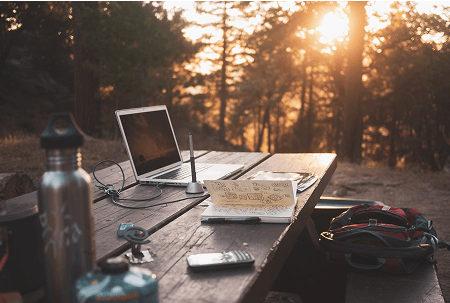
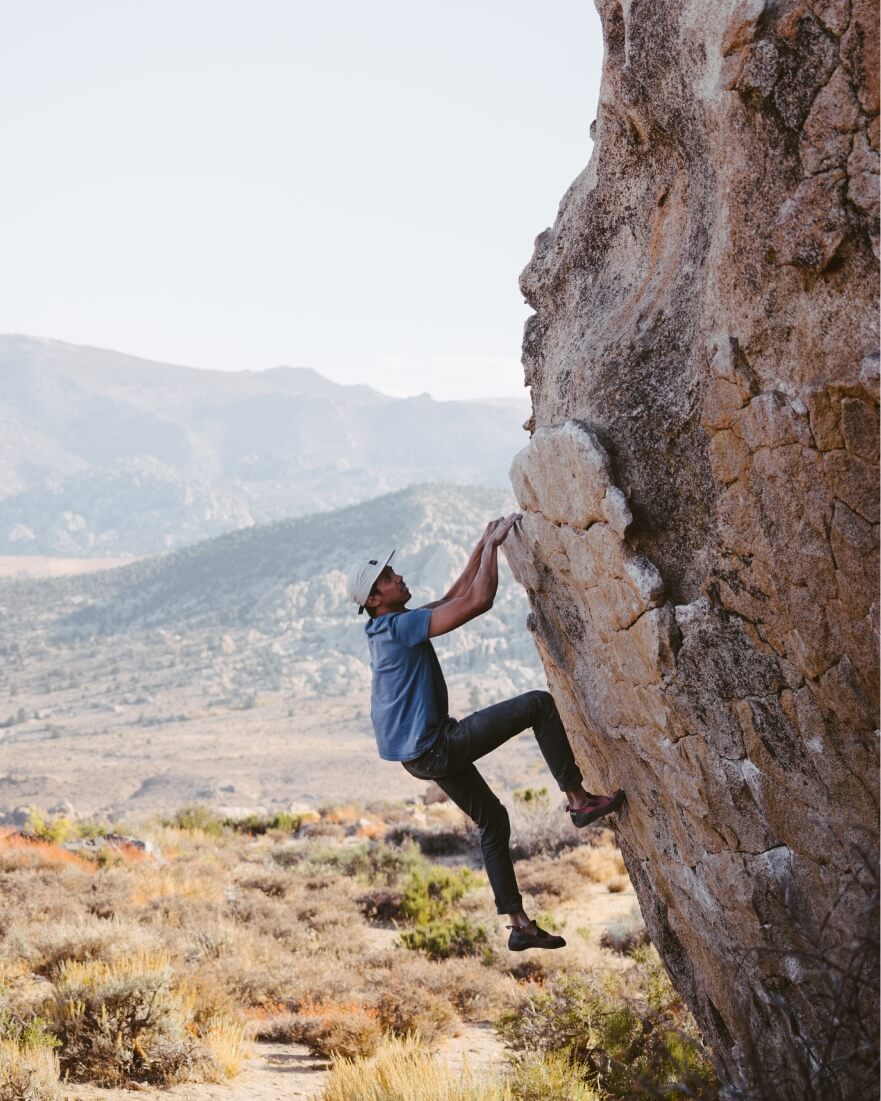
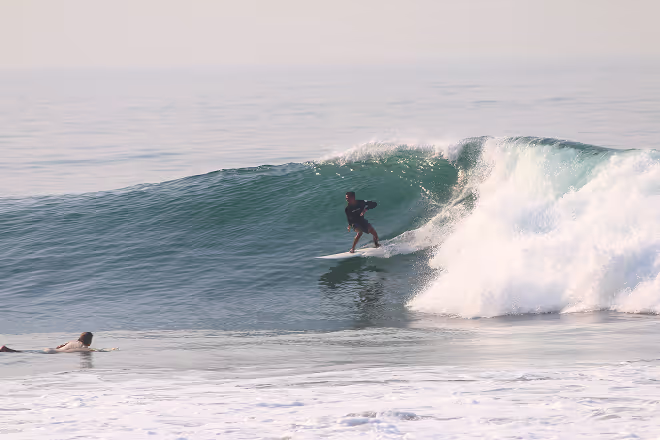
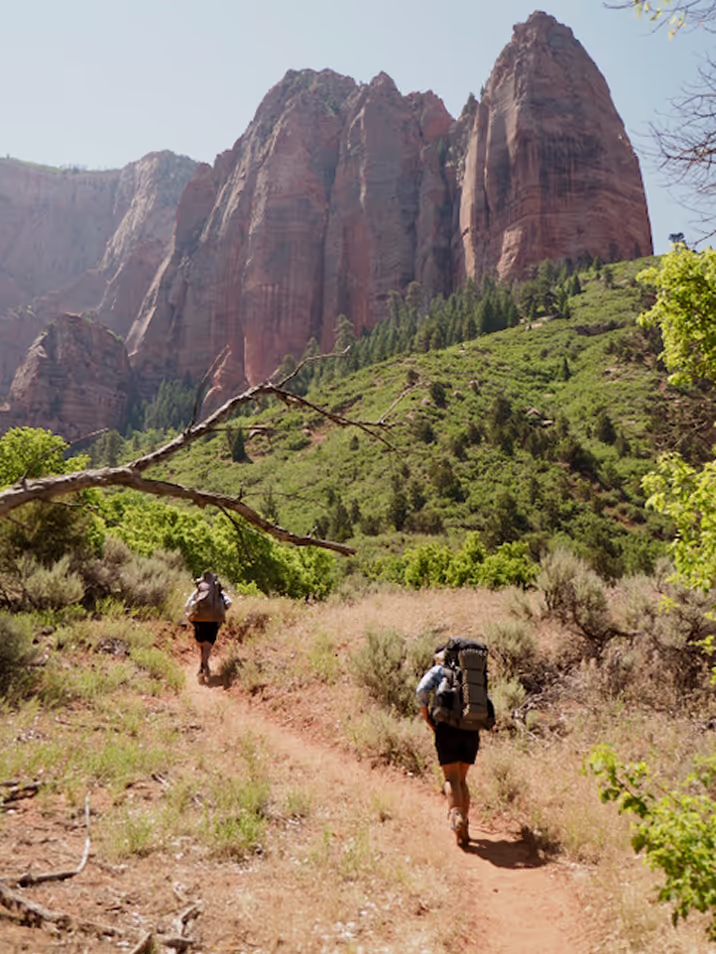
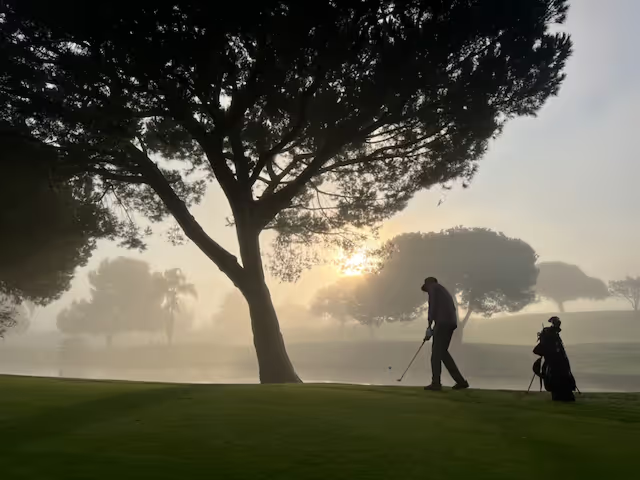
When I’m not working, you’ll usually find me outside chasing a new adventure. I’m a rock climber, backpacker, and thru-hiker, and I still love any excuse to get out on the trail. These days I mostly split my time between surfing, perfecting my golf swing, and planning the next trip outdoors.